Gaming mousepads may look simple, but their story is closely tied to the history of computers and gaming. Mousepads have become an essential accessory in the modern office, maintaining their relevance and importance even as technology has advanced. From office desks to esports stages, mousepads have changed a lot over time. This article explores how gaming mousepads were born, how they evolved, and why they are still important today.
I. The Origin of the Mousepad
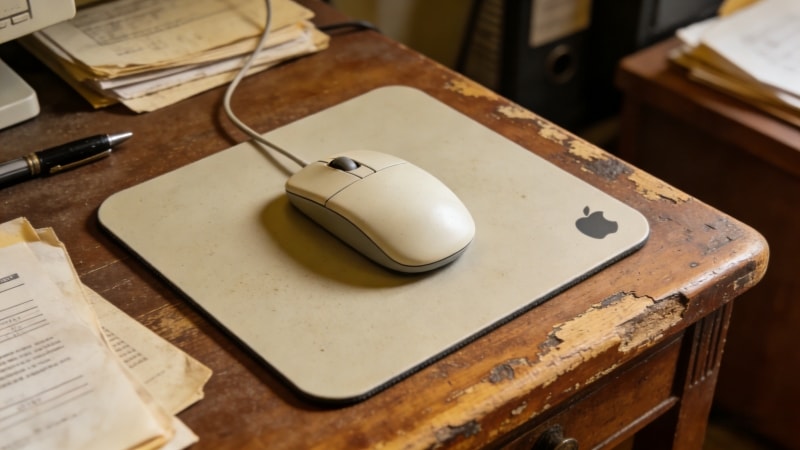
The first mousepads appeared in the early days of personal computers. The computer mouse was the first widely used tracking device and one of several pointing devices tested for early computing devices. Early computer mice used a rolling ball inside, which needed a rough and even surface to work well. Desks were often too smooth or uneven, causing tracking problems. Mousepads solved this issue by providing stable friction and better control.
At this stage, mousepads were purely functional tools. They were mainly used in offices, schools, and labs. No one thought of them as gaming accessories yet.
Before mousepads became standard, early users experimented with alternative surfaces such as oak desks, glass tables, and laminate surfaces to improve the mousing experience.
Early mousepads were developed to address the need for a consistent surface, and a rubber manufacturer played a key role in producing the first reliable mousepad surfaces.
Companies like Moustrak helped make the mouse pad famous by popularizing its most famous form—a rectangular, flexible surface often branded with the Apple logo and distributed through early computer retailers like Businessland and other computer sellers.
II. When Gaming Changed Everything
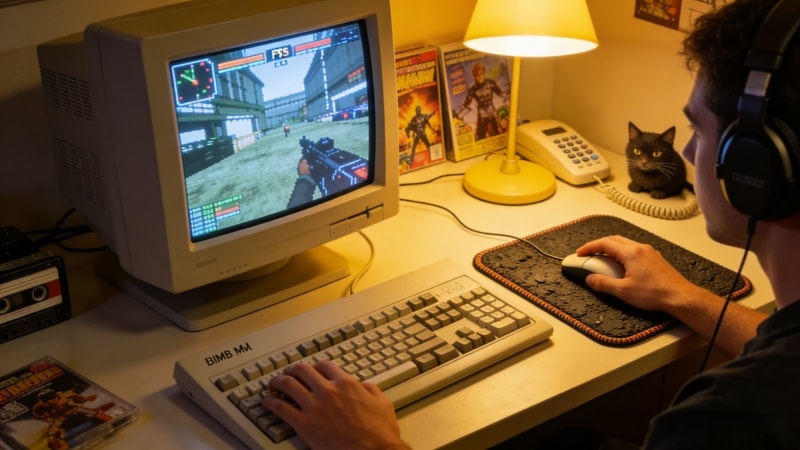
In the 1990s, PC gaming became more popular. Games like first-person shooters (FPS) and real-time strategy (RTS) required fast reactions and precise mouse movements. Players quickly noticed that the mousing experience varied wildly depending on the alternative surfaces used, such as wood, glass, plastic, or other alternative surfaces like formica and polyester. These surfaces could cause inconsistent tracking and affect overall performance.
This was the moment when mousepads started to matter more. Gamers began to look for smoother, more consistent surfaces to improve accuracy. Mousepads were no longer optional—they became part of serious gaming setups. The demand for better performance led companies to sell mouse pads specifically designed for gamers.
III. The Birth of Gaming Mousepads: Moustrak’s Early Mouse Pads
As gaming grew, mousepads started to change. New designs focused on performance rather than basic use. Two main types appeared: hard surface pads for speed and cloth pads for control.
Manufacturers became incredibly interested in building mouse pads with advanced features, and some even over manufactured it to ensure amazing mouse pads that stood out from the mouse pads people bought in bulk.
Players developed personal preferences based on play style. Some wanted faster movement, while others wanted more stopping power. These needs pushed manufacturers to experiment with different materials, textures, and thicknesses. The gaming mousepad was officially born.
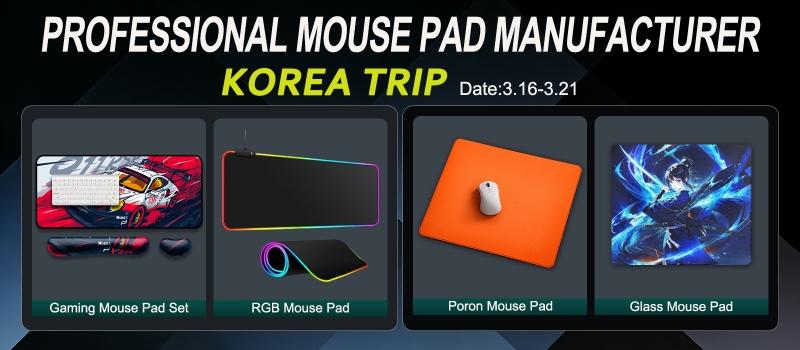
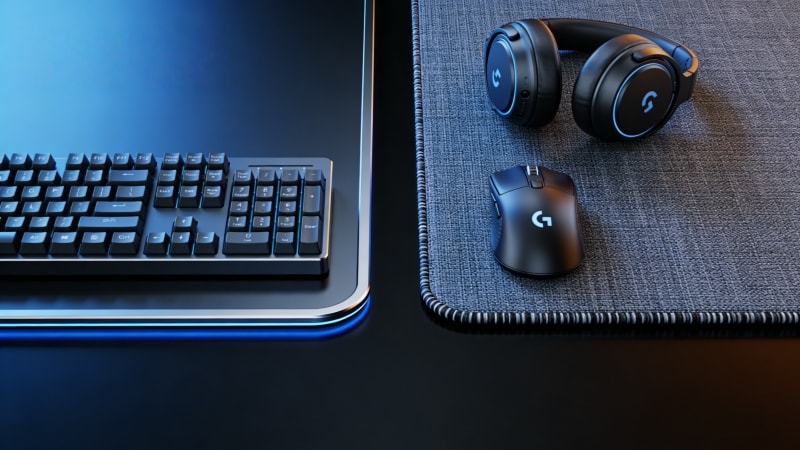
Today, high-end gaming mousepads include custom chroma lighting for enhanced aesthetics and performance, and top brands don’t expect to cut corners anytime soon despite mass market pressures.
IV. How Esports and Optical Mice Redefined Mousepad Design
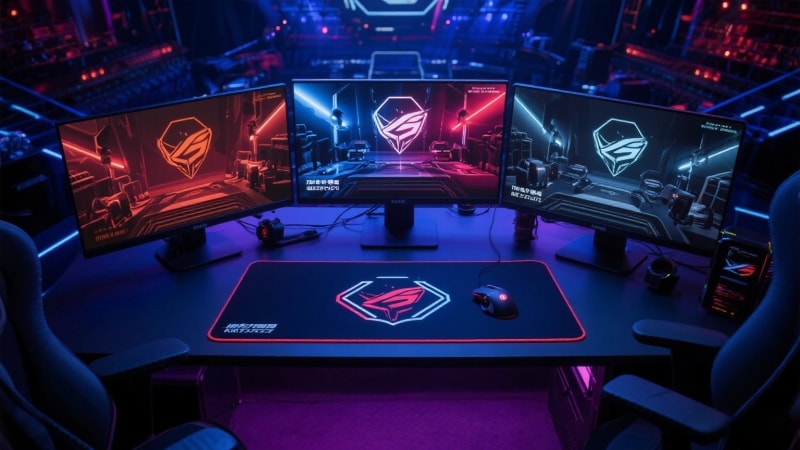
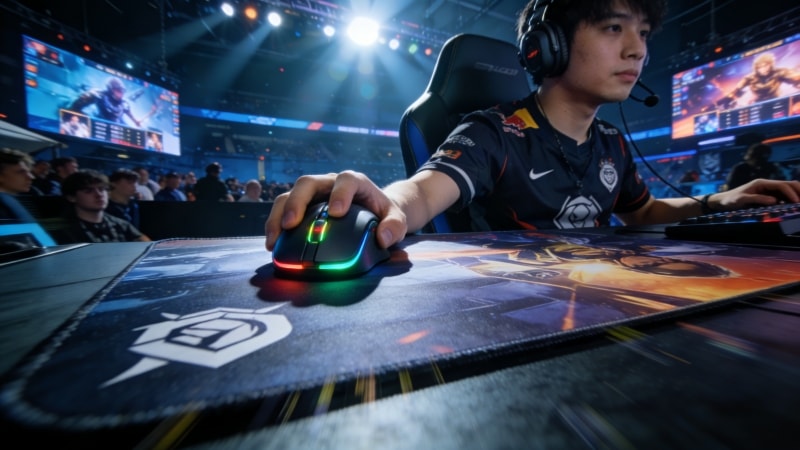
The rise of esports took mousepad design to a new level. Professional players often used low mouse sensitivity (low DPI), which meant they needed large areas to move their mouse. This led to bigger mousepads and full desk mats.
Rubber bases became common to prevent slipping, while fabric surfaces offered smooth and stable tracking. Consistency became critical. Even small changes in material could affect performance in competitive play.
During this period, specialized factories began focusing on quality control, material selection, and repeatable production. Mousepads became precision products, not just accessories. As the industry shifted from small-batch manufacturing to mass market production, such challenges as maintaining quality and consistency became more prominent. However, the focus on precision products led to impressive final results that set the stage for the future success and possible future commercial use of gaming mousepads in esports.
V. Mouse Pad Stories from Gaming Culture
Mousepads are also part of gaming culture. Many professional players stick to the same mousepad model for years. Some even bring their own mousepads to tournaments for comfort and confidence.
There are stories of players refusing to compete if their mousepad feels different. These habits may sound small, but at a high level, details matter. Such stories helped build the legend and importance of gaming mousepads in the community.
All the stories about legendary mousepads and player rituals highlight a familiar point: the creative process behind designing these accessories sometimes felt alien to mass-market trends, but it was this dedication to quality and innovation that built their reputation.
VI. From Accessories to Gaming Brands
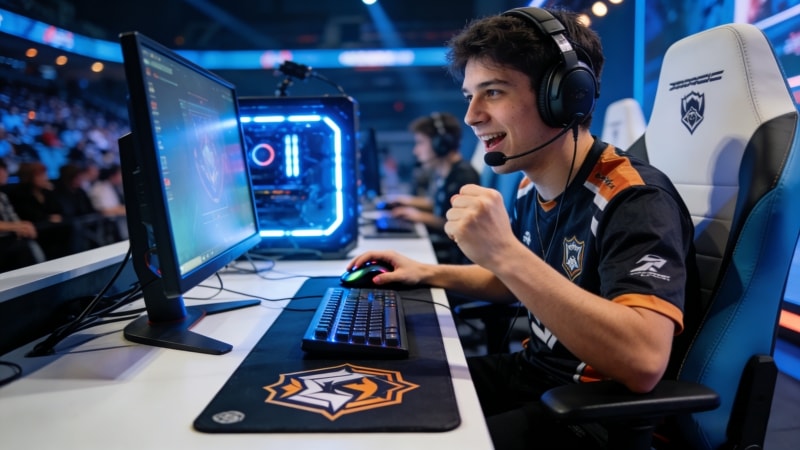
Over time, mousepads became more than tools. They became part of gamer identity. Designs, colors, and artwork started to matter. Custom mousepads allowed gamers to express personality while keeping performance.
Today, mousepads are available in a million snazzy designs, including collaborations with major film companies like Disney, LucasFilm, and Paramount. These partnerships have produced high-quality, branded mousepads featuring iconic imagery, such as the colorful Mickey Mouse print, appealing to both fans and collectors.
This trend also supported brands that focused only on mousepads. Custom printing, size options, and surface tuning became key features. Mousepads moved closer to lifestyle products while keeping their functional roots. Some brands now target a small niche market and position themselves as a firm that essentially sells high-quality, customized mousepads.
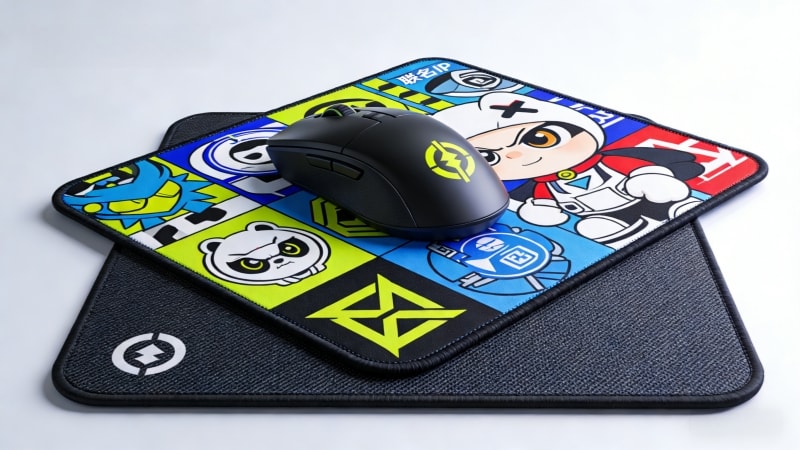
VII. Modern Gaming Mousepads Today: A Million Snazzy Designs
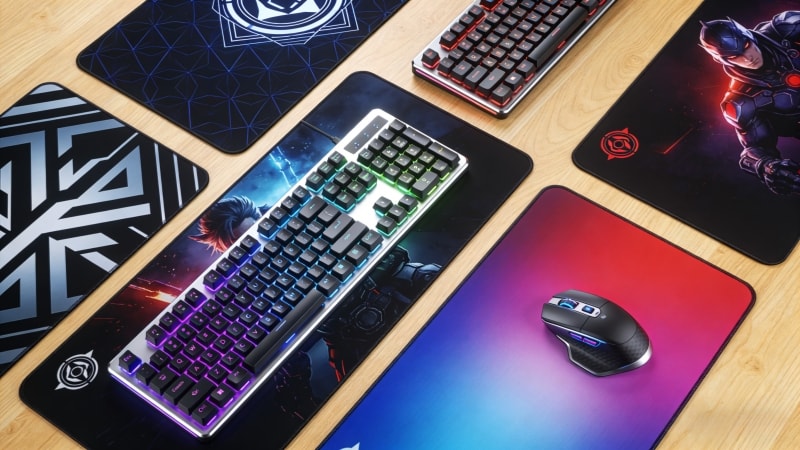
Today’s gaming mousepads come in many forms. Desk mats are popular for covering large areas and supporting keyboards and mice together. Streamers and content creators also care about how mousepads look on camera. While some mousepads are designed for the average desktop, others use advanced synthetic materials; however, early attempts sometimes resulted in a chemical reaction that left products in such poor condition they had to be retouched.
Behind the scenes, OEM and ODM manufacturing services allow brands to customize size, thickness, materials, and printing. This flexibility helps meet the needs of gamers, esports teams, and promotional markets worldwide. Modern mousepads are often mouse pad flexible to accommodate different setups, and even as optical mice rule the market, many users still prefer a dedicated mousepad for optimal performance.
VIII. The Future of Gaming Mousepads
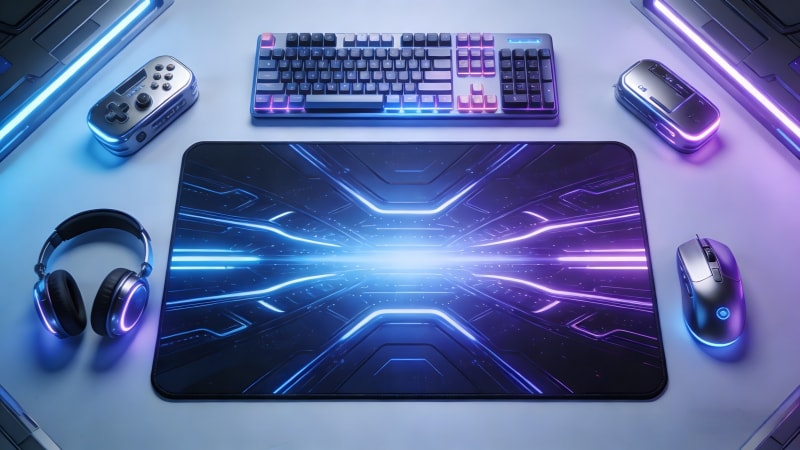
Looking ahead, gaming mousepads will continue to evolve. New materials, better durability, and more sustainable options are already being explored. As games and hardware change, mousepads will adapt with them.
The future commercial potential of gaming mousepads remains strong, with possible future commercial use driven by emerging technologies and evolving gaming trends. This ongoing innovation suggests future success and continued industry adoption.
IX. Conclusion: The Story Continues
Gaming mousepads have grown from simple office tools into essential parts of gaming and esports. Their history reflects the growth of gaming culture, technology, and manufacturing.
At FDTRubber, we focus on natural rubber mousepads and custom desk mats, offering OEM and ODM solutions for global partners.
If you are interested in custom gaming mousepads or want to learn more about how they are made, visit www.fdtrubber.com or contact us to start a conversation.